
How Commercial Battery Storage Can Help Reduce Peak Demand Charges
How Commercial Battery Storage Can Help Reduce Peak Demand Charges
For many businesses, managing electricity costs involves more than simply reducing the total amount of energy consumed each month. Commercial utility bills can also include peak demand charges, which are based on how much electricity a facility requires during periods of highest demand.
For businesses with large or fluctuating electrical loads, these charges can represent a significant portion of monthly energy expenses. Commercial battery storage offers businesses a way to better manage these demand peaks by storing electricity and strategically using it when facility demand is highest.
For businesses throughout New Hampshire and New England, commercial energy storage systems can provide greater control over electricity usage while supporting a more efficient and flexible long-term energy strategy.
What Are Peak Demand Charges?
Most businesses are familiar with energy charges, which are typically based on the total amount of electricity consumed over a billing period. Commercial utility rate structures may also include demand charges.
Instead of measuring total energy consumption, demand charges generally reflect the facility’s highest level of electricity demand during a specified period.
For example, a manufacturing facility may operate at relatively consistent electrical demand throughout most of the day. If several pieces of high-powered equipment operate simultaneously, the facility’s demand could suddenly increase.
Depending on the applicable utility rate structure, that short period of high electricity use may contribute significantly to the facility’s demand charges for the billing period.
This means reducing overall electricity consumption is not always enough. Businesses may also benefit from managing when and how quickly they draw electricity from the grid.
How Commercial Battery Storage Helps Manage Peak Demand
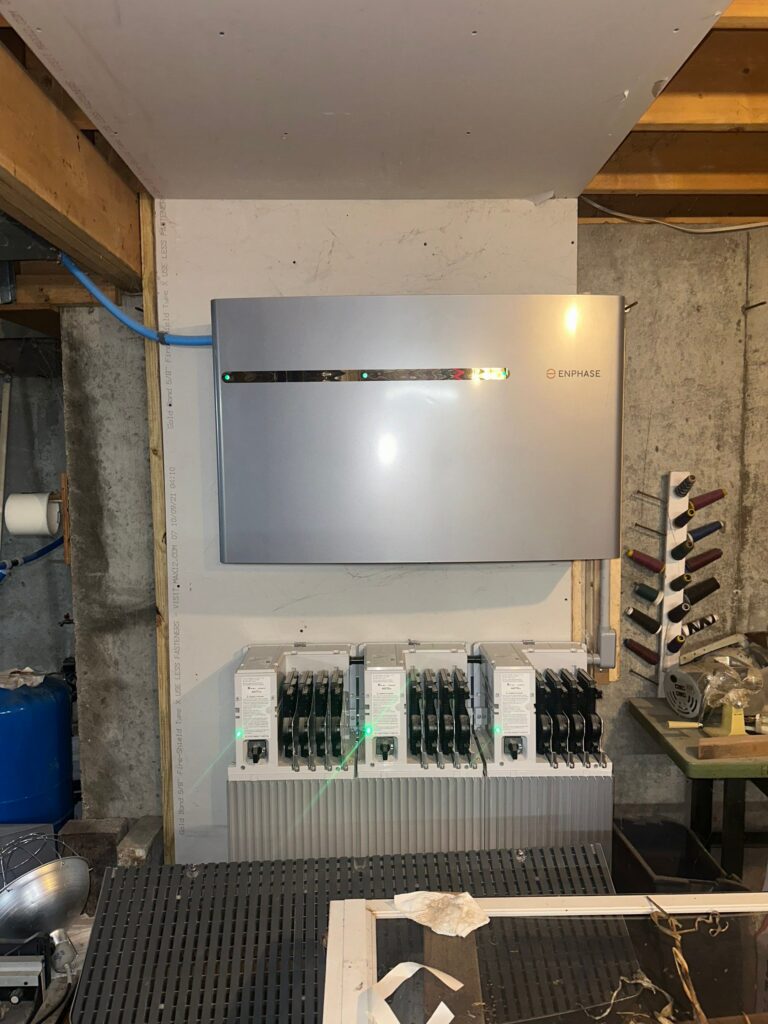
A commercial battery storage system stores electricity so it can be used at a later time. One of its most valuable applications for businesses is a strategy known as peak shaving.
When the facility’s electricity demand begins approaching a predetermined level, the battery can discharge stored energy to help supply the building’s electrical loads. This reduces the amount of electricity that needs to be drawn from the utility grid at that moment.
Instead of allowing grid demand to spike, the battery helps “shave” the peak.
When properly designed and configured, this strategy may help businesses reduce demand-related electricity costs without requiring major changes to normal operations.
What Is Peak Shaving?
Peak shaving is an energy management strategy designed to reduce a facility’s highest periods of grid demand.
A typical commercial energy storage system can monitor electricity usage and automatically determine when stored battery power should be discharged.
For example, imagine a commercial facility normally draws 150 kW from the grid but occasionally reaches 250 kW when multiple systems operate simultaneously. A battery system may be configured to discharge during these high-demand periods, reducing how much power the facility needs from the utility.
The business can continue operating while the battery helps manage the temporary increase in grid demand.
Actual savings will depend on factors such as the facility’s load profile, utility tariff, battery capacity, system controls, and frequency and duration of demand peaks.
Which Businesses Can Benefit From Commercial Battery Storage?
Businesses with high, variable, or predictable periods of electricity demand may be particularly well suited for commercial battery storage.
These can include:
- Manufacturing and industrial facilities
- Warehouses and distribution centers
- Office buildings
- Schools and educational facilities
- Municipal buildings
- Retail centers
- Agricultural operations
- Hospitality businesses
- Commercial properties with EV charging stations
- Facilities with large HVAC or refrigeration loads
A manufacturing facility, for example, may experience demand spikes when machinery starts simultaneously. A school or office building may see increased demand when HVAC systems operate during peak occupancy. A warehouse with refrigeration or EV charging infrastructure may have its own unique demand patterns.
The key is understanding the facility’s electrical load profile before determining whether battery storage can provide meaningful savings.
Commercial Battery Storage and Solar Work Together
Businesses considering commercial energy storage systems may also benefit from combining battery storage with commercial solar.
Commercial solar panels generate electricity onsite during daylight hours, helping reduce the amount of utility-supplied electricity a facility consumes. Battery storage adds another level of control by allowing energy to be stored and used strategically.
Together, commercial solar and battery storage may allow a business to generate renewable electricity, store available energy, and discharge the battery during periods of higher demand.
This can help businesses maximize the value of onsite solar production while creating a more comprehensive energy management strategy.
For companies already considering commercial solar installation, evaluating battery storage during the design phase can help determine whether an integrated solar-plus-storage system makes sense for the property.
Beyond Peak Demand Charges: Additional Benefits of Battery Storage
Reducing peak demand charges can be an important reason to invest in commercial battery storage, but it is not the only potential benefit.
Greater Control Over Energy Costs
Commercial battery storage gives businesses more flexibility over when electricity is drawn from the grid. Depending on the utility rate structure and system configuration, stored energy may be used strategically during higher-cost periods.
Improved Energy Resilience
When designed with backup capabilities, certain commercial energy storage systems can provide power to designated critical loads during grid outages. This can be particularly valuable for facilities where interruptions can affect productivity or operations.
Not every battery installation automatically provides backup power, so resilience requirements should be incorporated into the system design from the beginning.
Better Use of Onsite Solar Energy
When paired with commercial solar, batteries can store available solar production for later use instead of requiring all generated electricity to be consumed at the moment it is produced.
Long-Term Energy Management
Battery storage can become part of a broader energy strategy that incorporates solar generation, building controls, EV charging, and other electrical systems.
Understanding the Difference Between Power and Energy
When evaluating commercial battery storage, businesses should understand two important battery specifications: power and energy.
Battery power, typically measured in kilowatts (kW), determines how much electricity the battery can deliver at a given moment.
Battery energy capacity, typically measured in kilowatt-hours (kWh), determines how long the battery can sustain that output.
Both matter for peak shaving.
A facility experiencing a large but short demand spike may require a different battery configuration than a facility experiencing moderately elevated demand for several hours.
This is another reason commercial battery systems should be engineered around actual facility data rather than using a one-size-fits-all approach.
Are Commercial Battery Storage Systems Worth the Investment?
The financial value of battery storage depends heavily on the individual facility.
Businesses with substantial peak demand charges and predictable demand spikes may have stronger opportunities for savings than facilities with relatively flat electricity consumption.
The economics can also be influenced by available incentives, utility programs, battery costs, solar integration, and how the system will be operated.
Before moving forward, businesses should evaluate both the installation cost and potential long-term value. A professional energy analysis can help determine whether expected demand-charge reductions and other benefits justify the investment.
Commercial Battery Storage for New England Businesses
Businesses throughout New England face a combination of high energy costs, changing utility rates, severe weather, and growing demand for electrification.
From manufacturing facilities in New Hampshire to warehouses, schools, municipalities, and commercial properties throughout Massachusetts, Maine, and Vermont, energy storage can provide another tool for managing electricity more strategically.
A properly designed commercial energy storage system can help businesses address demand peaks while preparing their electrical infrastructure for future energy needs.
When combined with commercial solar, energy management controls, and other efficiency measures, battery storage can become an important part of a comprehensive energy strategy.
Take Greater Control of Your Business's Energy Costs
Peak electricity demand can have a meaningful impact on operating expenses for many commercial facilities. Commercial battery storage provides businesses with a way to actively manage these peaks instead of simply accepting them as part of the monthly utility bill.
By strategically storing and discharging electricity, commercial energy storage systems can help reduce grid demand during critical periods, improve energy flexibility, and complement onsite commercial solar generation.
Porter Electrical Contracting works with businesses and organizations throughout New Hampshire, Massachusetts, Maine, and Vermont to develop commercial solar, battery storage, and electrical solutions tailored to their facilities and energy goals.
If you’re considering commercial battery storage or want to determine whether your facility could benefit from peak demand management, contact Porter Electrical Contracting today to discuss your commercial energy storage project.
Ready to reduce your electrical bill? Contact Porter Electrical today for a free consultation and see how solar can work for your home or business.
Book Time With A Renewable Energy Expert Today: Book Now!